Moss and Lichen Treatment for Hamilton Roofs
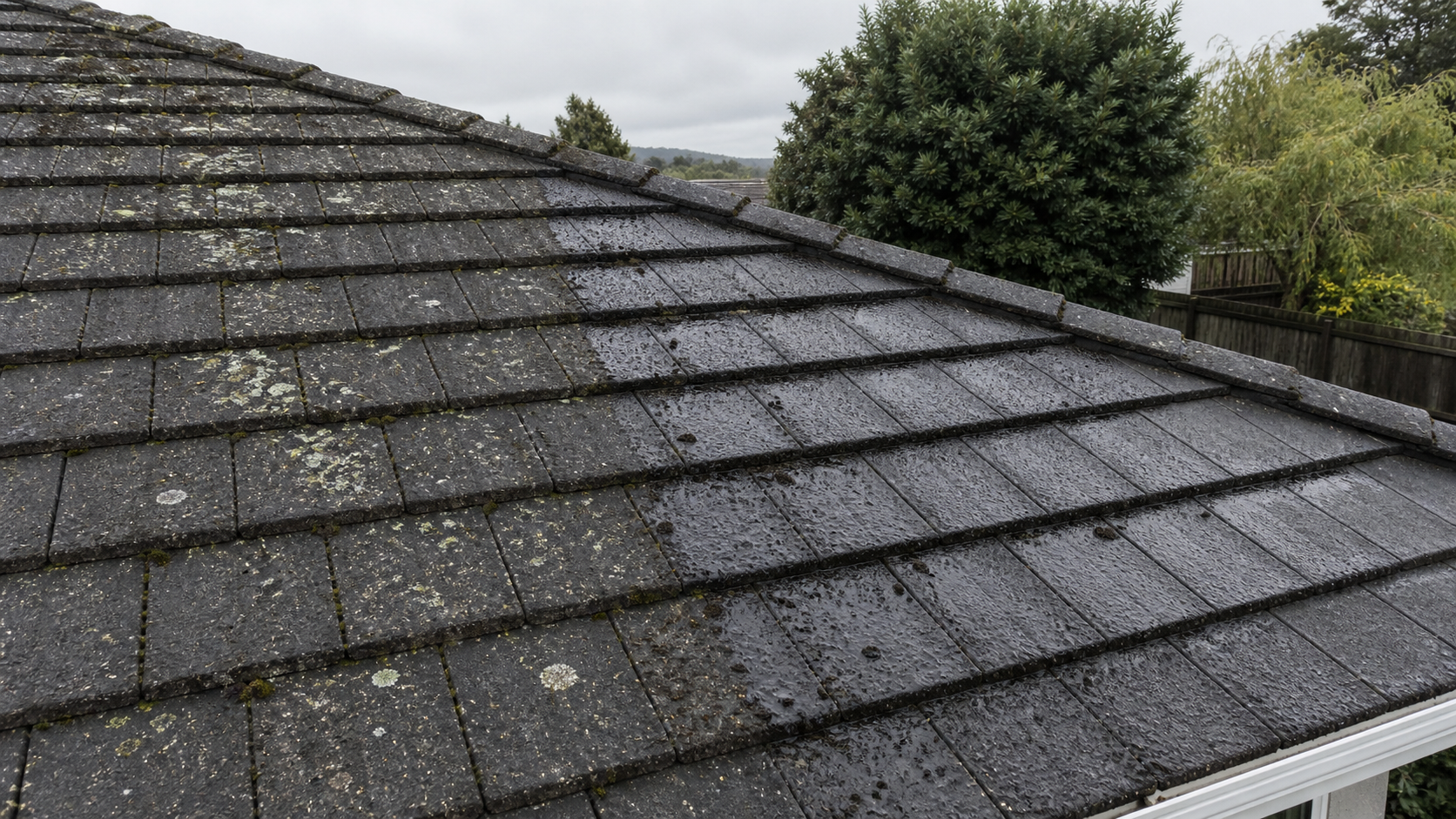
Moss and lichen do more than make a roof look neglected. They trap moisture directly against the roofing material, encourage rust on metal roofs and can gradually lift or damage tiles and other coverings if left to spread across the surface.
Our Moss and Lichen Treatment Hamilton service goes beyond a standard wash. We assess the extent of growth, apply a treatment suited to your specific roofing material, and clear loosened moss and debris once it has taken effect. We take care to protect gutters and downpipes throughout the process, and we finish with practical advice on reducing regrowth, so your roof stays protected well beyond the day we visit. This measured approach protects surrounding finishes and helps owners understand realistic timing, aftercare and maintenance needed for longer-lasting results overall.
Get a free estimate
Thank you!
We've received your request and will be in touch within 1–2 business days.
All About Moss and Lichen
What moss actually is
Moss is a small, moisture-loving plant that spreads across damp, shaded roof surfaces over time, forming a thick, spongy mat that traps water against the roofing material rather than letting it drain away as originally intended by design.
What lichen is and how it differs
Lichen is actually a combination of fungus and algae that bonds tightly to roofing material, typically appearing as flat, crusty patches rather than a raised mat. Unlike moss, it grows slowly but can be considerably more difficult to fully remove.
Why Hamilton roofs are prone to growth
Hamilton's mild, humid climate and regular rainfall create genuinely favourable conditions for both moss and lichen to establish, particularly on shaded roof faces, valleys and areas beneath overhanging trees that stay damp for much longer periods.
How growth affects roofing materials
Moss and lichen retain moisture directly against the roof surface, which can accelerate wear on certain roofing materials, encourage rust to develop on metal roofing and gradually lift or damage tiles and other coverings over an extended period.
Why pressure washing alone is not enough
A pressure wash can remove visible growth from the surface reasonably well, but without proper follow-up treatment, moss and lichen spores left behind often regrow within a relatively short period, effectively undoing much of the benefit of the clean.
How treatment differs from a standard clean
Moss and lichen treatment uses targeted products specifically designed to kill growth at the root and discourage regrowth over time, working alongside a careful physical clean rather than relying on water pressure alone to solve the underlying problem.
Signs Your Hamilton Roof Needs Moss and Lichen Treatment
Green or black patches on the roof
Visible green moss or black lichen patches spreading across tiles, metal roofing or shingles are usually the clearest sign that treatment is needed before the growth continues spreading further across the wider roofline over the following seasons.
Growth concentrated on shaded areas
Moss and lichen often establish first on shaded, damp sections of a roof, such as areas beneath overhanging trees or faces pointing away from the sun, where moisture naturally lingers for longer between rain events throughout the year.
Debris building up between roof ridges
Moss can trap leaves, twigs and roofing grit between ridges and joins over time, creating small pockets of moisture that accelerate further growth and make the whole roof considerably more difficult to keep clean overall.
Water marks or staining beneath growth
Staining or damp patches appearing on the underside of the roof or within the ceiling cavity below can indicate moisture being trapped by moss or lichen above, rather than draining away properly the way it should.
A roof looking aged beyond its years
Heavy moss and lichen coverage can make an otherwise sound roof look considerably older and more worn than its actual age, affecting the overall appearance and presentation of an otherwise well-maintained Hamilton property from the street.
Neighbouring roofs showing similar growth
If nearby properties with similar roofing and tree cover are already showing visible moss or lichen growth, your own roof is likely facing the same local conditions and may benefit from treatment before the growth becomes obvious too.
Moss and Lichen Treatment Experts in Hamilton: How We Work
Assessing the extent of growth
We inspect the whole roof carefully to understand how widespread the moss or lichen coverage actually is, which areas are most heavily affected, and whether any underlying roofing issues need attention alongside the treatment itself.
Selecting a safe, roof-appropriate treatment
Treatment products are chosen specifically to suit your roofing material, since tiles, metal and other coverings can respond quite differently to different chemical treatments. This careful selection avoids using something that could damage the very surface it is meant to protect.
Careful application without damaging materials
Treatment is applied methodically across all affected areas, working carefully to cover the full extent of the visible growth while protecting surrounding roofing, guttering and exterior surfaces from unnecessary overspray or accidental damage during the process.
Clearing loosened moss and debris
Once the treatment has had time to take effect, loosened moss, lichen and accumulated debris are carefully removed from the roof surface, reducing the trapped moisture and organic material that encouraged the original growth in the first place.
Protecting gutters and downpipes during treatment
We take deliberate care to prevent loosened debris and treatment run-off from entering gutters and downpipes unnecessarily during the process, helping avoid a follow-up blockage caused by material washed down while the roof is being treated.
Advice on preventing regrowth
We explain practical, sensible steps to help slow future moss and lichen growth, such as managing overhanging branches or scheduling periodic roof checks, so the results of the treatment genuinely last longer for your specific property.
Frequently Asked Questions
Useful answers for cost, timing, property types and why professional service matters.
How much does moss and lichen treatment cost?
The price depends on factors like property size, roof height, access, existing damage and the amount of work involved. Rather than guessing over the phone, we visit the property first, assess exactly what is needed, and then provide a clear, no-obligation written quote before any work begins.
Is moss and lichen treatment safe for my roof?
Yes, we select treatment products carefully to suit your specific roofing material, whether that is tile, metal or another common covering, so the treatment works effectively without damaging the very surface it is meant to protect. We consider your roof's condition and structure before recommending any particular product or approach.
Will moss come back after treatment?
Treatment significantly slows regrowth and gives your roof a genuinely longer clean period than a wash alone, but conditions such as nearby trees, persistent shade and local humidity mean some moss or lichen may eventually return over time. We explain sensible, practical steps to help reduce how quickly that happens.
Can you treat moss without a full roof clean?
Yes, though combining treatment with a careful, thorough clean often gives the best overall result for your roof. The clean removes existing growth and trapped debris, while the treatment itself works to discourage new growth from properly establishing again, giving you a longer-lasting outcome than either approach used alone.
How long does treatment take to work?
Some products act fairly quickly, while others work gradually over the following weeks as the moss or lichen dies back naturally and loosens from the surface. We can explain exactly what to expect for the specific treatment used on your roof, including a realistic timeframe for the visible results to appear.
Noticed moss or lichen taking hold on your roof?
Get an assessment and a written quote for treatment suited to your roofing material.